Loading...
Serving Kaneohe, HI and surrounding areas. (808) 444-0878
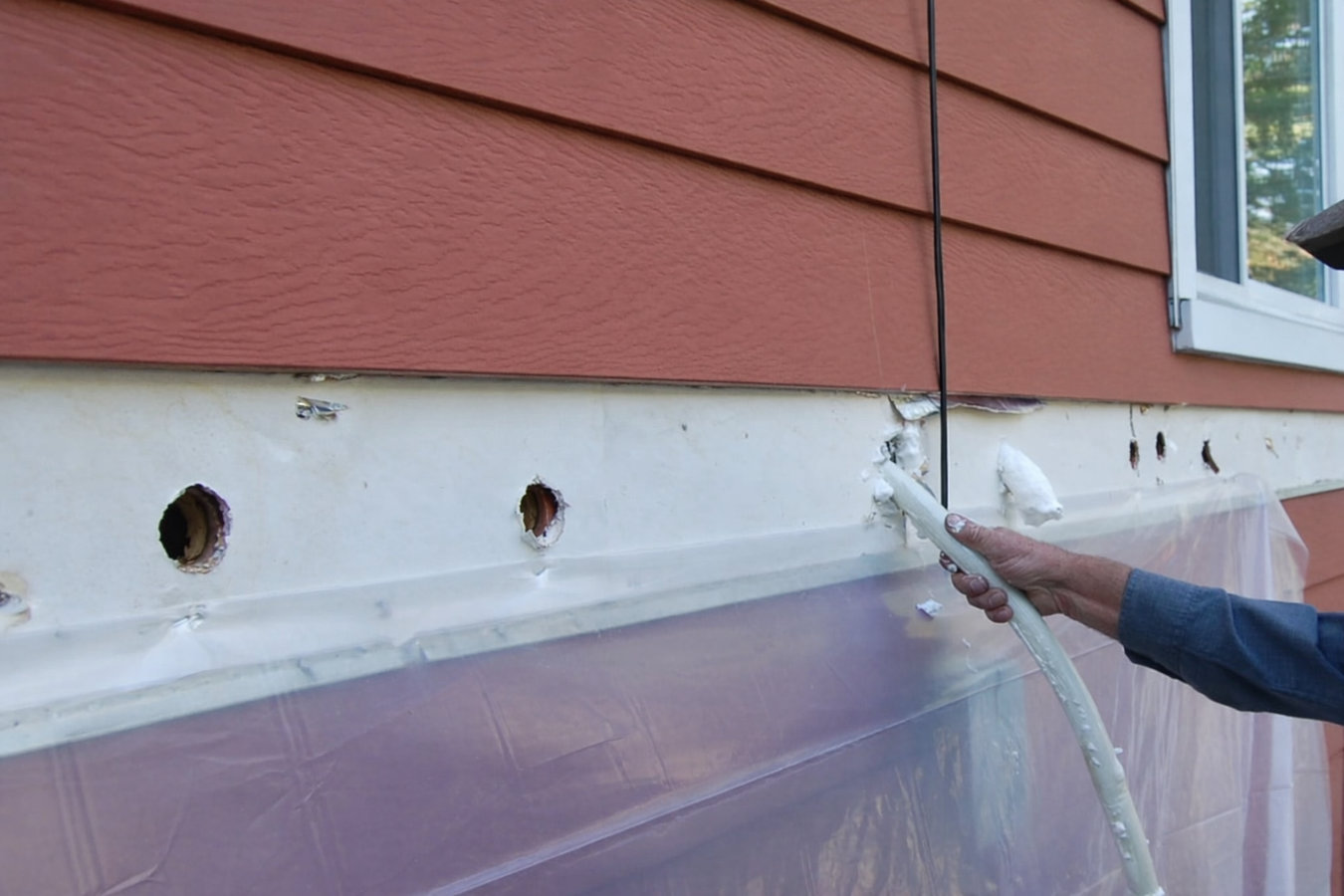
Kaneohe homes built in the 1950s through 1970s were not designed for air conditioning - they were designed to breathe. We add insulation to your existing attic, floor, or crawl space without tearing anything out, so your home finally holds a comfortable temperature.
Retrofit insulation in Kaneohe means adding insulation to a home that is already built - filling in gaps in your attic, floor, or crawl space using methods that cause minimal disruption - and most standard attic jobs are completed in a single day.
Most homes on the windward side of Oahu were built for natural airflow, not for air conditioning. That was fine when electricity was cheap. Today, with Hawaii consistently carrying some of the highest electricity rates in the country, an under-insulated attic means your cooling system works far harder than it should - and you pay for every extra hour it runs. Retrofit insulation fills that gap without requiring demolition.
For the best results, retrofit insulation pairs well with attic air sealing. Air sealing stops air movement through gaps and penetrations, while insulation slows heat transfer through the ceiling surface itself. In Kaneohe's climate, air movement carries more heat and moisture than conduction alone, so doing both together is usually more effective than either one by itself.
If your Hawaiian Electric bill has been creeping up year after year without a change in habits, poor insulation is a likely culprit. When conditioned air escapes through an under-insulated attic or floor, your system works harder and longer - and you pay for every extra hour it runs. This is especially noticeable in Hawaii, where rates are already among the highest in the country.
In Kaneohe's humid climate, rooms that feel noticeably warmer, stuffier, or more humid than the rest of the house often have an insulation gap nearby. This is especially common in rooms directly under the roof or above an open crawl space, where outside air and moisture have an easy path in.
If you open your attic hatch and notice thin or uneven coverage on the attic floor - or if you can feel warm, moist air coming in around the edges - your home is losing conditioned air and gaining outside heat. This is one of the clearest signs that a retrofit upgrade would make a real difference.
Homes built in Kaneohe before 1980 were typically constructed with little attention to insulation, because energy was cheaper and building codes did not require it. If you have never had insulation added or inspected since you moved in, there is a good chance the attic has either no insulation or far less than current recommendations suggest.
In most Kaneohe homes, the attic is the single most important place to insulate because heat rises and escapes through the roof. We assess how much insulation is already present, seal any air gaps around light fixtures, pipes, and vents first, then add the insulation material to bring coverage up to a level that makes a real difference in your home. For homes that sit on piers or have an open crawl space - common in Kaneohe's older neighborhoods - we can also address the underside of the floor, which loses conditioned air directly to the outside. Choosing materials suited to Hawaii's humid environment is part of what we do: the wrong choice can trap moisture and create mold conditions, so we prioritize materials and methods that let the home breathe while keeping conditioned air inside.
We also connect homeowners with information on Hawaiian Electric rebates and the federal energy efficient home improvement tax credit, both of which may apply to qualifying retrofit insulation work. If your project also needs a permit through the City and County of Honolulu, we handle that conversation with you upfront. For homes with significant air leakage problems, we can pair retrofit insulation with spray foam insulation or our broader home insulation services for a complete solution.
Best for most Kaneohe homeowners - targets the single largest source of heat gain and energy loss in a typical home.
Suited for pier-and-beam homes with open space beneath the floor, where outside air moves freely under the living area.
Ideal when both air movement and heat transfer are problems - stopping air flow first maximizes the performance of the insulation added on top.
For homeowners who want to capture Hawaiian Electric rebates or the federal tax credit - we provide all the documentation you need to apply.
Kaneohe sits on the windward side of Oahu and receives more rainfall than almost anywhere else in the state - averaging over 60 inches per year. That persistent moisture means insulation materials and installation methods need to be chosen carefully. A significant portion of Kaneohe's housing stock was built in the 1950s through 1970s, when homes were designed for natural airflow rather than mechanical cooling. Many of these homes have little or no insulation in the attic and open space beneath the floor - which is actually good news for retrofit work, because there is a lot of room for improvement and the gains in comfort and energy savings tend to be noticeable quickly. Hawaii also consistently carries the highest residential electricity rates in the United States, which changes the financial math on insulation significantly: the payback period is much shorter here than it would be on the mainland.
We work across the Kaneohe area, including Maunawili and Kailua, where older post-and-pier homes are common and the windward climate creates the same year-round humidity challenges. The Hawaii State Energy Office recognizes insulation upgrades as among the most effective ways to improve home efficiency in the islands - and for homes that have never been insulated, the improvement is often dramatic.
We ask a few basic questions - the age of your home, whether you have had insulation work done before, and what is prompting your call. We reply within one business day and can typically schedule a site visit within a week or two.
A technician inspects your attic and, if applicable, the space under your floor. They check how much insulation is already present, identify air leaks around pipes or fixtures, and note any moisture concerns. This visit usually takes 30 to 60 minutes and results in a written estimate that breaks out labor and materials separately.
The crew seals any air gaps first - around light fixtures, pipes, and vents - then adds the insulation material. For most Kaneohe attics, this takes a few hours to a full day. You do not need to leave home. The crew lays down protective coverings and cleans up before leaving.
Before leaving, the crew walks you through what was done and provides documentation of the materials installed. You will need this if you plan to claim a Hawaiian Electric rebate or the federal energy efficiency tax credit - ask for it specifically at the end of the job.
No pressure. We give you a clear written estimate and tell you upfront if a permit is needed - so there are no surprises.
(808) 444-0878Older post-and-pier homes with open crawl spaces, low-pitch roofs, and minimal original insulation are the norm on the windward side - not the exception. We have worked on these homes long enough to know what to expect and how to handle the conditions that come up.
Installing the wrong insulation in Kaneohe's humid climate can trap moisture and lead to mold problems within a few years. We choose materials and methods suited for windward Oahu's conditions - prioritizing moisture management alongside thermal performance.
Hawaiian Electric offers rebates for qualifying energy efficiency improvements, and the federal government provides a tax credit for insulation upgrades in existing homes. We provide the documentation you need to apply for both - you should not have to chase paperwork after the job is done.
Older Kaneohe homes can turn up moisture, pest activity, or unusual framing that needs attention before insulation goes in. If we find something during the assessment, we tell you before we start - not after - so you are never caught off guard by a cost or timeline change.
Kaneohe Insulation combines local expertise with a transparent process. We tell you what your home needs, what it will cost, and what the documentation will look like - before work begins, not after.
A high-performance option that seals and insulates in one application - well suited for Kaneohe attics with significant air leakage.
Learn MoreWhole-home insulation assessment and installation covering every zone from attic to floor in a single project.
Learn MoreOur calendar fills up on the windward side - call today or request a free estimate online and lock in your date.