
Loading...
Serving Kaneohe, HI and surrounding areas. (808) 444-0878
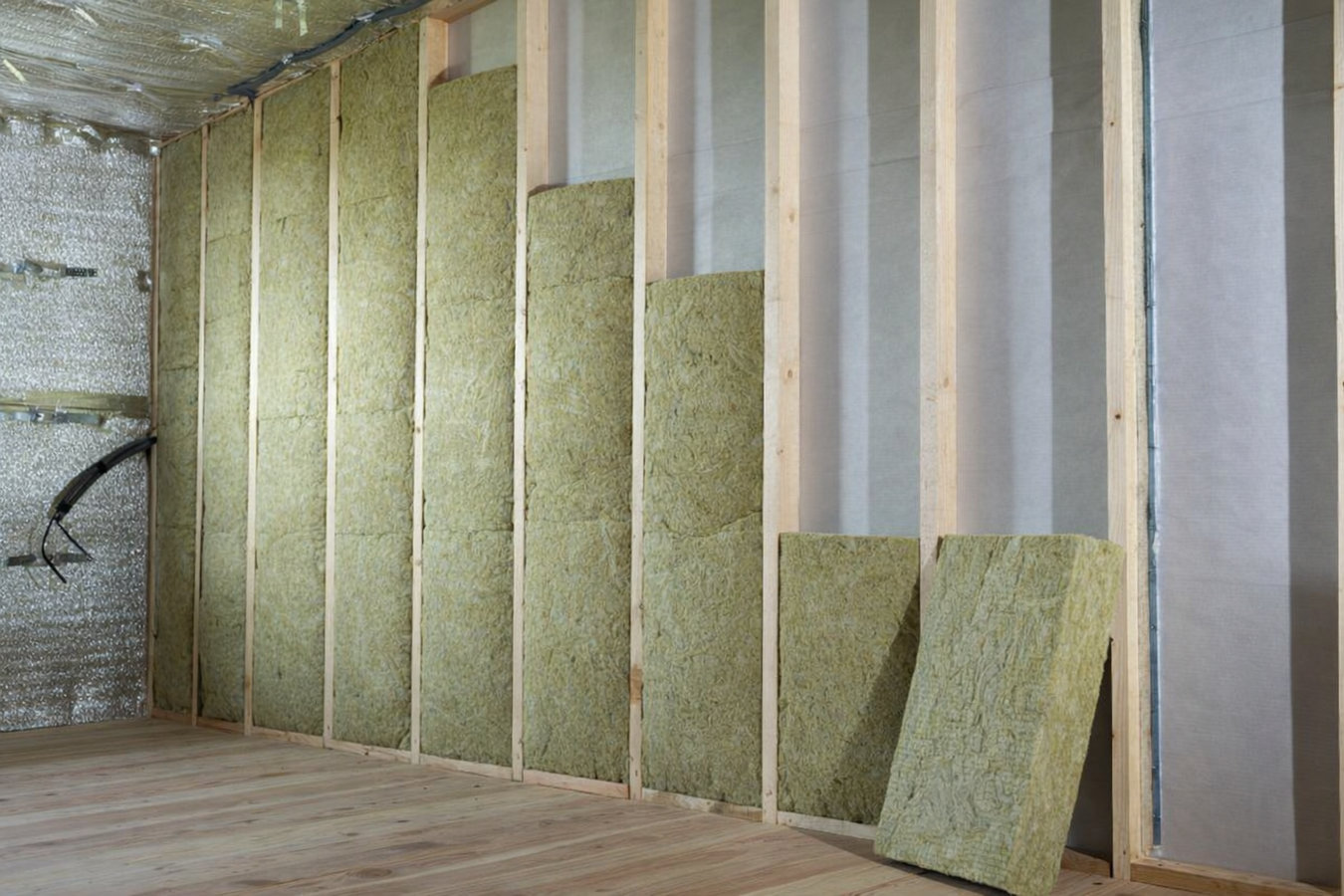
Kaneohe homes sit on crawl spaces that let in heat, humidity, and pests. The right insulation seals that space and puts you back in control of your home's comfort and costs.
Basement insulation in Kaneohe means sealing and insulating the crawl space or raised foundation beneath your home, controlling both temperature and moisture together, with most jobs completed in one to two days for a standard single-family home.
Because true below-grade basements are uncommon in Kaneohe - the island's volcanic geology and high water table make them impractical in most neighborhoods - the focus here is almost always on the crawl space or raised foundation space beneath your living area. That space is one of the main paths humidity takes to reach your floors, your walls, and eventually your air. Addressing it properly means working with materials that can handle Kaneohe's persistent moisture, not just the options that work on the mainland.
Good basement or crawl space work always starts with air sealing - a step that pairs naturally with closed-cell foam insulation for the most durable results in this climate.
In Kaneohe's humid climate, an uninsulated crawl space allows warm, moist air to rise directly into your living space. If your floors feel sticky, warm, or slightly damp first thing in the morning - especially after heavy rain or during high-humidity stretches - the space below your home is not properly sealed or insulated.
A persistent musty odor in rooms closest to the floor often means moisture is building up in the crawl space below. In Kaneohe, where rainfall and humidity are nearly constant, this is a common problem in homes without proper crawl space insulation. The smell usually means mold or mildew is already growing somewhere you cannot easily see.
If your electricity costs have climbed without an obvious reason, heat moving through an uninsulated floor could be part of the explanation. Your air conditioning has to work harder to compensate for heat and humidity entering from below, especially during Kaneohe's warmer months. Proper insulation reduces that load.
If you can peek into your crawl space and see gaps around pipes, torn or sagging old insulation, or bare ground with no covering, those are clear signs the space needs attention. Old fiberglass insulation tends to sag and fall away over time in humid conditions, leaving your floor completely unprotected.
There are two main approaches to insulating the space under a Kaneohe home. The first puts insulation on the floor of the living area above, keeping the crawl space separate. The second encapsulates the crawl space itself - insulating the walls, installing a ground cover, and treating the space as part of the home's conditioned area. Which method works better depends on your home's layout, ventilation, and how the space is currently used. For homes where moisture has already caused damage, pairing this work with crawl space insulation and a full encapsulation plan often delivers the most lasting result.
Before any insulation material goes in, a quality contractor will seal gaps, cracks, and openings where outside air - and the humidity it carries - sneaks into the space. Skipping that sealing step is one of the most common shortcuts that leads to poor results. We recommend pairing crawl space work with closed-cell foam insulation when moisture resistance is the priority, which it almost always is in windward Oahu homes.
Best for homes where insulating the floor above keeps the crawl space separate from the living area - a common approach in raised-foundation Kaneohe homes.
Suited to homes where the crawl space will be treated as part of the conditioned area, with walls insulated and a ground cover installed to block moisture from below.
Ideal when gaps and openings in the crawl space are allowing both air and insects inside - sealing happens first, insulation second, for results that last.
Kaneohe is one of the wettest communities in the United States. The windward side of Oahu receives some of the highest annual rainfall in the country, and even at lower elevations in residential neighborhoods, humidity is persistently high. That moisture does not just fall on your roof - it saturates the ground beneath your home and evaporates upward into an unprotected crawl space, creating the conditions for mold, wood rot, and pest activity year-round. Homeowners in Kahalu'u and other low-lying windward neighborhoods deal with this pressure on a daily basis, and the right insulation approach makes a real difference in how their homes hold up over time.
Termite activity adds another layer of complexity here that does not exist in most mainland markets. Hawaii has some of the most aggressive termite populations in the country, and Kaneohe's warm, wet conditions are ideal for them. Certain insulation materials can be tunneled through by subterranean termites if not properly protected. A contractor working in Heeia or anywhere across the windward side needs to be aware of this and account for it in the materials and methods they recommend. The University of Hawaii College of Tropical Agriculture and Human Resources and the Hawaii State Energy Office both publish resources on protecting Hawaii homes from moisture and pests that are worth reviewing before any crawl space project.
When you reach out, we ask a few basic questions - your home's size, whether you have noticed any moisture or odor issues, and what is currently under your floor. You will hear back within one business day to set a time.
We inspect your crawl space directly, checking moisture levels, identifying gaps or damage, and assessing termite risk. In Kaneohe, that moisture and pest check is not optional - it shapes everything that comes next. The visit usually takes 30 to 60 minutes.
You receive a written quote that explains the scope, the materials recommended, and the total cost. We explain why we are recommending specific moisture-resistant materials for your conditions - not just handing you a number.
The crew seals gaps first, then installs insulation. Most jobs in Kaneohe take one full day. Before we leave, we walk you through what was done and show you the finished space so you know exactly what is protecting your home.
Free estimate, written quote, no obligation. We reply within one business day.
(808) 444-0878We work regularly in Kaneohe and surrounding communities on the windward side of Oahu, where moisture pressure on crawl spaces is far higher than the dry side of the island. That experience shapes the materials and methods we recommend for every job.
Skipping the air sealing step is one of the most common shortcuts that leads to poor results. We seal gaps, cracks, and openings before any insulation material goes in - because in Kaneohe, those gaps also let in humidity, insects, and the occasional gecko.
Hawaii has some of the most destructive termite species in the country. We select and install materials with Kaneohe's termite pressure in mind, using termite-resistant options or appropriate protective barriers so your new insulation does not become a target.
When the scope of work requires a permit through the City and County of Honolulu, we handle the process on your behalf. That paper trail gives you a clear record at resale - and you will not have to navigate the permitting office yourself.
Windward Oahu homes have specific needs that mainland insulation standards do not fully account for. We bring local knowledge and moisture-first thinking to every crawl space project - so the work we do holds up through Kaneohe's rainy seasons, not just on installation day.
The moisture-blocking foam material that performs best in Kaneohe's humid crawl spaces and under-floor areas.
Learn MoreTargeted insulation and sealing for the crawl space itself, stopping moisture and air movement at the source.
Learn MoreMoisture from below is a year-round problem on the windward side - the sooner the crawl space is sealed and insulated, the less damage accumulates.