Loading...
Serving Kaneohe, HI and surrounding areas. (808) 444-0878
Kaneohe homes leak warm, humid air through dozens of hidden gaps above your ceiling. We find them all and seal them so your home stays comfortable and your AC stops working overtime.
Attic air sealing in Kaneohe means finding and plugging every gap, crack, and hole where conditioned air escapes into your attic - or where hot, humid outdoor air sneaks in - using foam, caulk, or tape, and most jobs are completed in a single day.
If your home feels muggy even when the AC is running hard, your attic is probably the culprit. Kaneohe sits on the windward side of Oahu, where warm, moisture-loaded trade winds push against your house constantly. Those gaps around recessed lights, plumbing pipes, and wall top plates are invisible from inside your home, but they act like open vents for that humid air.
Attic air sealing works hand in hand with retrofit insulation. Insulation slows heat transfer, but air sealing stops air movement - and in Hawaii, air movement carries far more heat and moisture into a home than conduction alone. Most homeowners who do both at the same time see the biggest improvement in comfort and energy costs.
If your air conditioner seems to run constantly but your home still feels muggy, warm outdoor air is likely getting in faster than your system can remove it. In Kaneohe's windward climate, the most common entry point is the attic. This is one of the clearest signs that air sealing could make a real difference.
A musty odor in rooms directly below the attic often means moisture is moving through the ceiling from above. Dark staining or discoloration around recessed lights, ceiling fans, or attic hatches is a visible sign that air is carrying dust and moisture through those openings. In Kaneohe's high-rainfall environment, these symptoms tend to appear faster than in drier climates.
If your electricity costs seem high for a home your size, air leakage is one of the first things worth investigating. Hawaii already has some of the highest electricity rates in the country, so even moderate air leakage translates into a noticeable monthly cost. An unsealed attic can account for a meaningful share of that waste.
Hold your hand near a recessed ceiling light or near the edge of your attic access hatch on a breezy day. If you can feel air moving - even slightly - that is a direct sign of leakage. In Kaneohe, where trade winds create near-constant pressure on the windward side of homes, this kind of detectable air movement is more common than homeowners realize.
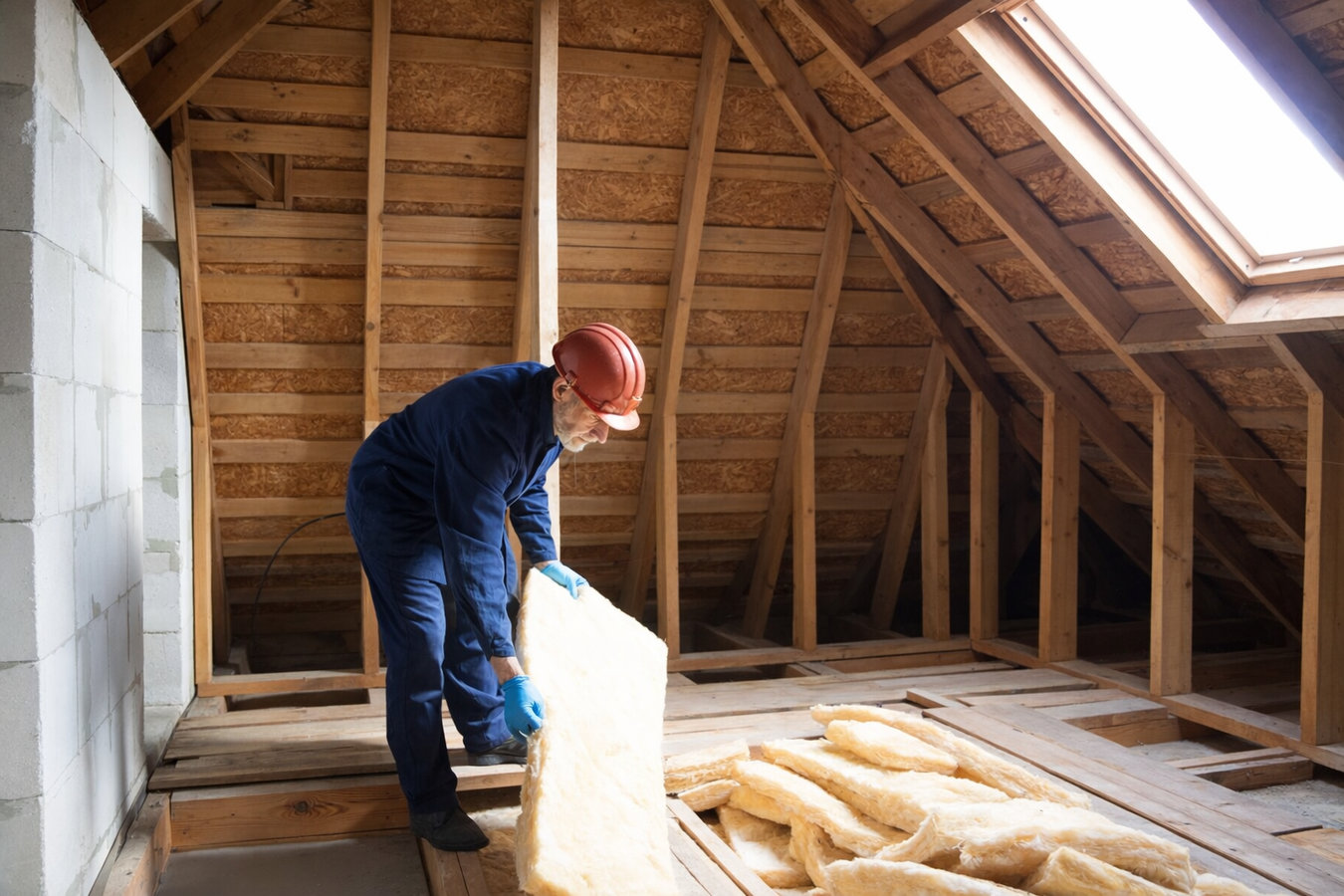
Our attic air sealing work starts above your living space, where a crew moves systematically across the attic floor, sealing every penetration they find. That includes recessed light fixtures, plumbing stack openings, electrical wire chases, the attic hatch frame, and the top plates of interior walls - the spots that are invisible from inside your home but account for the bulk of air movement. We use foam, caulk, or specialized tape depending on the opening, and we move existing insulation aside to reach the ceiling surface rather than sealing only what is visible on top.
For many homes, we pair attic air sealing with our whole-home air sealing services to address gaps throughout the building envelope. If your home has older insulation that needs to be topped up at the same time, we can coordinate that alongside the sealing work so you get the full benefit of both in a single visit. We also connect homeowners with information on Hawaii Energy rebates that may apply to qualifying work.
Best for homeowners whose main concern is humidity, sticky rooms, or a high AC bill - addresses the single largest source of air movement in most homes.
Suited for older homes or homeowners who want a comprehensive approach that covers the attic, walls, and other envelope areas in one project.
Ideal when existing insulation is thin or missing - sealing and topping up insulation together maximizes comfort and efficiency gains.
Useful for homeowners preparing to list a home, ensuring the attic is tight and documented before a buyer's inspector visits.
Kaneohe is one of the wettest places in the United States. The Ko'olau Mountains trap trade wind moisture and produce some of the highest annual rainfall totals in the country - the area regularly receives over 60 inches of rain per year. That means the air outside is almost always warm and heavily loaded with moisture. Every gap in your attic is a pathway for that moisture to enter your home, which makes attic air sealing less of an energy upgrade and more of a basic defense against humidity, mold, and long-term wood damage. A large share of Kaneohe's housing stock was built in the 1950s through 1980s, before attic air sealing was a standard part of construction - which means most older homes here have never been treated at all.
We serve homeowners throughout the Kaneohe area, including Kaneohe Station and Ahuimanu. These neighborhoods share the same windward climate conditions - persistent humidity, trade wind pressure, and housing built before modern energy standards. The U.S. Department of Energy notes that air sealing is one of the highest-return improvements a homeowner can make, and in a climate like Kaneohe's, that return is amplified by the constant moisture pressure from outside.
We will ask a few quick questions - home age, whether you have noticed comfort or moisture issues, and whether the attic has been worked on before. We reply within one business day and can usually get you on the schedule quickly.
A technician enters your attic to identify air leak locations, check existing insulation, and assess access. You get a written estimate before any work begins - no surprises on the day of the job.
The crew moves existing insulation aside, applies foam or caulk to every gap they find, then replaces the insulation. Most homes take two to six hours. You can stay home and go about your day.
Before leaving, the crew walks you through what was found and sealed. You receive a written summary of the work - useful for rebate claims, tax credits, or future home sale documentation.
No obligation. We reply within one business day and give you a clear written quote before any work begins.
(808) 444-0878We work exclusively on the windward side of Oahu, where homes deal with persistent moisture and trade wind pressure that contractors on the dry side of the island rarely encounter. That local focus means we arrive knowing what to look for and how to address it correctly.
Our crews seal windward Oahu attics every week and know how Kaneohe's climate drives air and moisture through a ceiling. We walk you through the scope before we start so you know what the job involves.
A shortcut job seals only what is visible on top of the insulation layer and misses most of the leaks. We move existing insulation aside to access the ceiling surface and seal every penetration we find. When we are done, the insulation goes back in place.
You get a written summary of what was found and sealed - useful if you plan to claim a Hawaii Energy rebate, apply for a federal energy efficiency tax credit, or simply want a record of the work when you sell your home.
Kaneohe Insulation combines local climate knowledge with a documented, thorough process. When you hire us, you know exactly what was done and why - and you have the paperwork to prove it.
Add insulation to your existing attic or floor without tearing anything out - the natural next step after air sealing.
Learn MoreComprehensive air sealing across your entire building envelope, beyond the attic alone.
Learn MoreEvery week with an unsealed attic is another week of humid air working against your AC. Call us today or request a free estimate online.